Restore it,
repair it, or
replace it
Five services, one honest recommendation. I'll tell you which one your roof actually needs — including when the answer is “nothing yet”.
Choose a service
What your roof needs
Open any service below for what it covers and why it matters. Not sure which applies? Call me and describe what you’re seeing — that’s usually enough to narrow it down.
A tired roof brought back to structural and weatherproof condition — without the cost and disruption of replacing it.
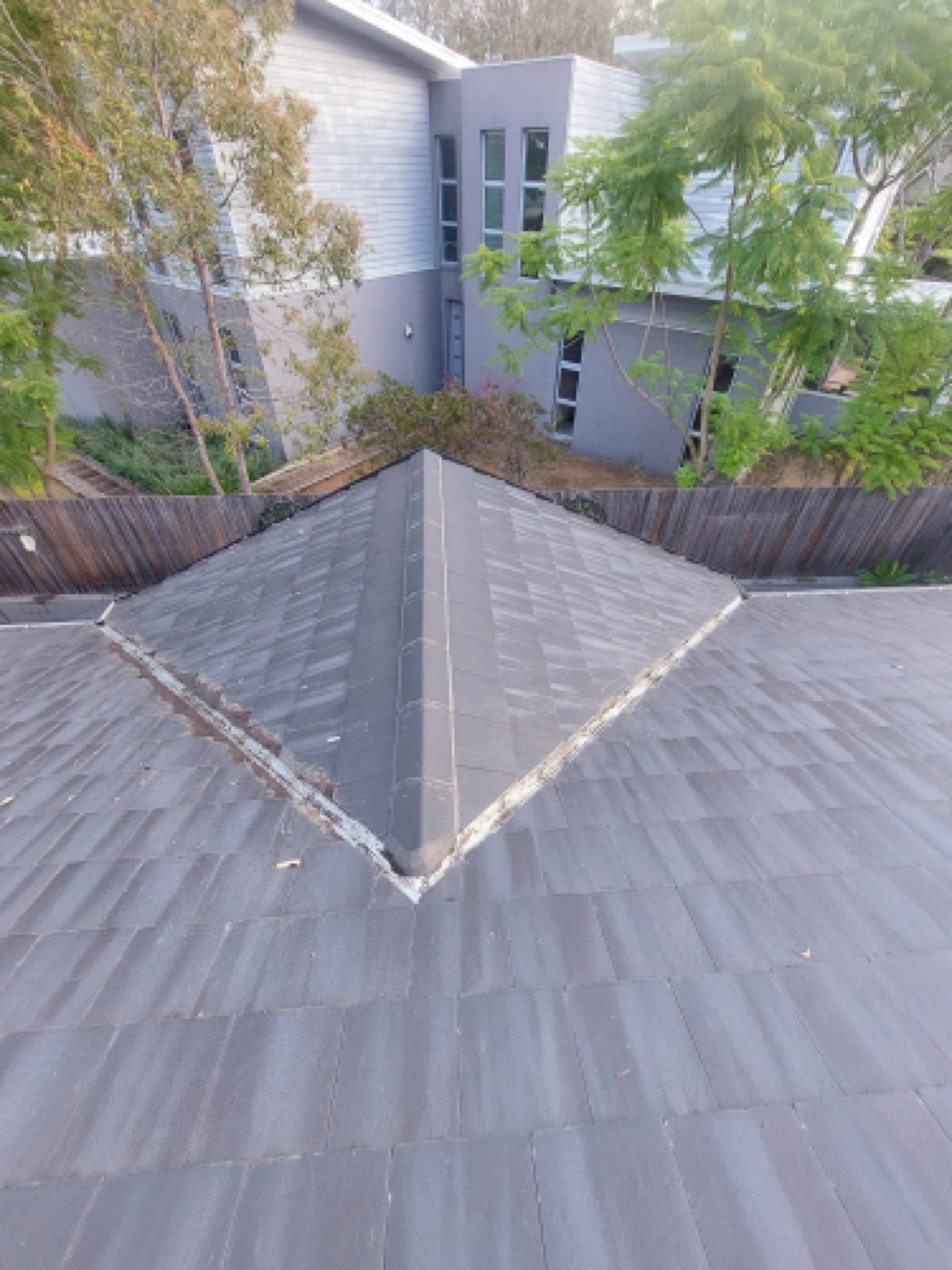
Restoration is the right call when the roof is sound but the detailing has given up: pointing crumbling out of the ridge line, a scatter of cracked or slipped tiles, moss holding moisture against the surface, and colour long gone.
I high-pressure clean the whole roof, replace broken tiles from matched stock, re-bed and re-point every ridge and hip with flexible pointing compound, repair or replace corroded valleys, then seal and apply two coats of membrane. The result is a roof that sheds water properly and looks like it did on day one.
Why it matters
A restoration typically costs a fraction of a replacement and adds fifteen to twenty years to a tile roof that would otherwise keep deteriorating. It also stops the slow damage happening underneath — wet battens, rusting valleys, sagging ceilings — before any of it becomes structural.
Included in the job
- Full high-pressure clean, moss and lichen treated at the root
- Cracked, slipped and broken tiles replaced with matched stock
- Ridge capping re-bedded, then re-pointed with flexible compound
- Corroded valley irons repaired or replaced
- Primer sealer plus two coats of roof membrane
- Gutters cleared and flushed before I leave site
When the roof is genuinely past saving, I say so — and I do the full job properly rather than selling you a restoration that won’t hold.
There is a point where patching stops being economical: widespread tile failure, rusted-through sheeting, sagging or rotted battens, or a roof that has already been restored once and is failing again. Spending on that roof is spending twice.
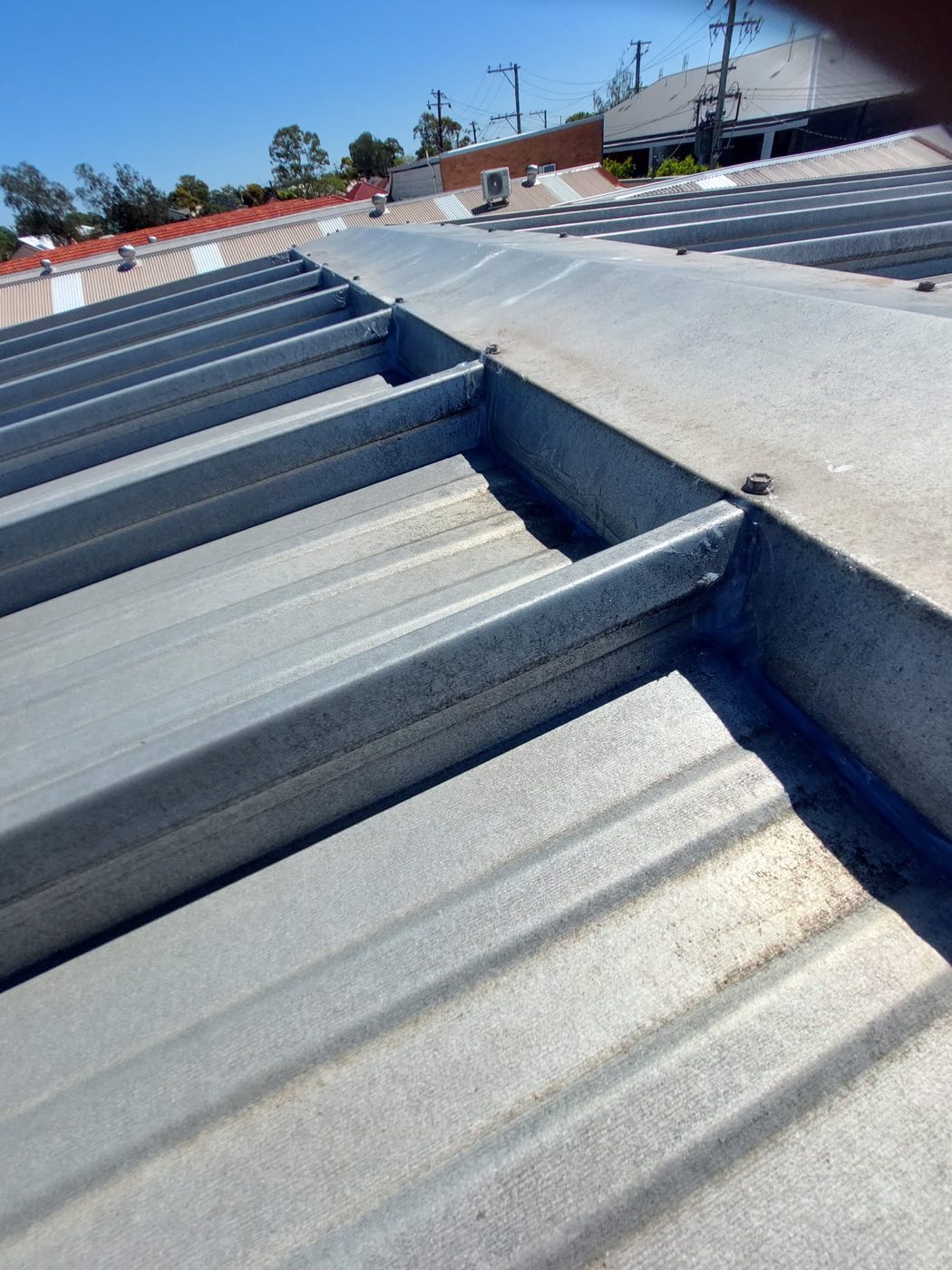
I strip the existing roof, inspect and replace defective battens and timbers, install fresh sarking, and re-sheet in Colorbond or re-tile to your choice. Flashings, ridge capping, valleys, whirlybirds and penetrations are all detailed as part of the job — not quoted as extras once the old roof is already off.
Why it matters
A replacement resets the clock on the single most important weather barrier your house has. It also fixes the things a restoration can’t touch — inadequate sarking, undersized battens, poor original flashing details — which are usually the real reason the old roof failed early.
Included in the job
- Full strip and disposal of the existing roof
- Battens, purlins and structural timbers inspected and replaced where needed
- New sarking installed for thermal performance and condensation control
- Colorbond re-sheet or complete re-tile, your choice of profile and colour
- All flashings, valleys, penetrations and capping renewed
- Weather-tight at the end of every working day — your ceiling is never exposed overnight
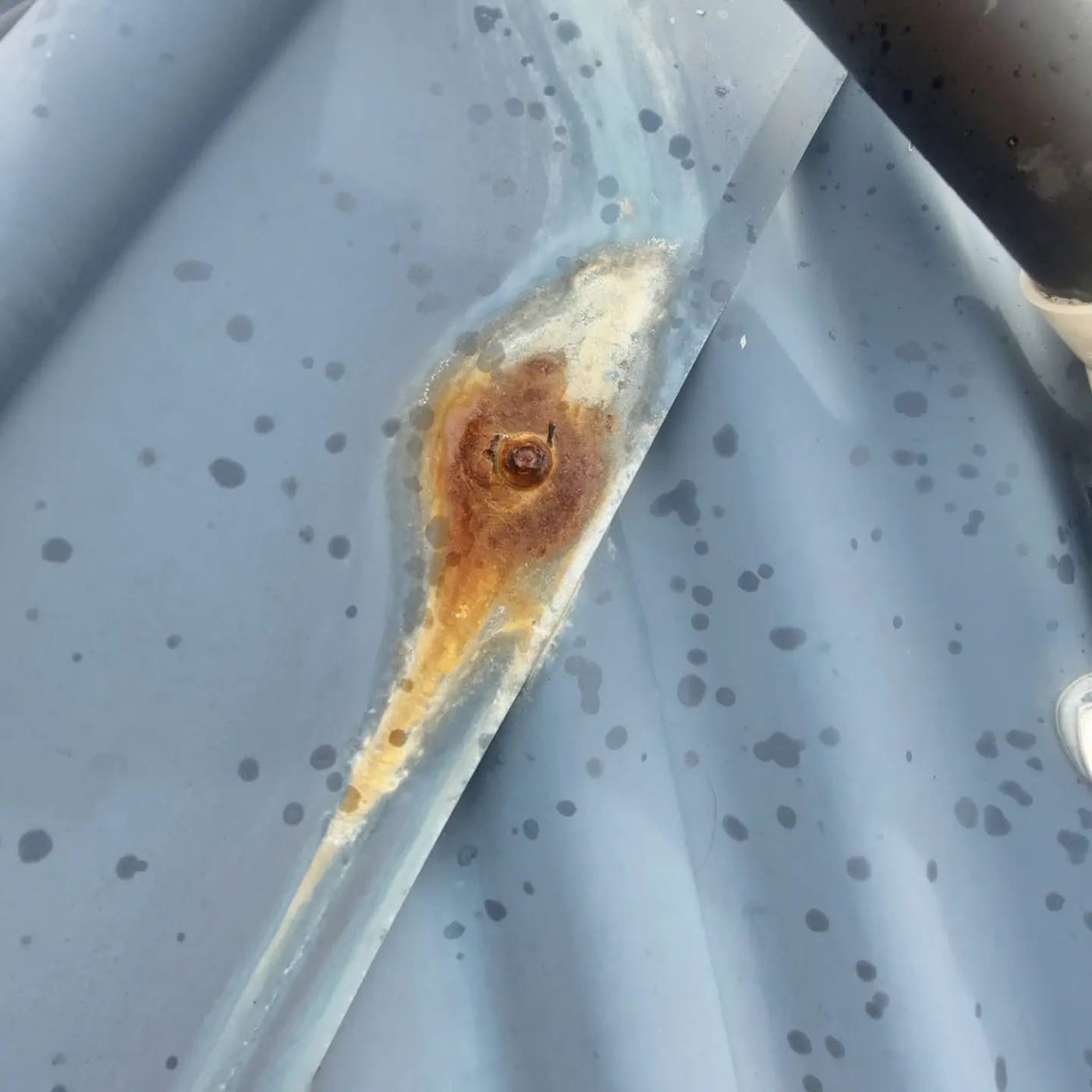
Water rarely enters where the stain appears. I find the actual entry point instead of guessing at it with a tube of silicone.
A leak travels. Water gets in at a lifted flashing or a hairline crack, runs along a batten, tracks down a rafter and drips through your ceiling three metres away. That is why so many "repaired" leaks come back with the next big southerly — the patch went where the stain was, not where the water was getting in.
I work it backwards: inspect the ceiling cavity, trace the water path along the timbers, then hose-test the roof zone by zone from the low point up until I reproduce it. You get photos of the actual defect and a written quote to fix that specific thing.
Why it matters
An untraced leak keeps wetting structural timber every time it rains. Chasing the stain wastes money and buys you nothing. Finding the entry point once means one repair, one invoice, and no repeat visit next storm season.
Included in the job
- Ceiling cavity inspection to trace the true water path
- Systematic zone-by-zone hose testing from low point upward
- Flashings, penetrations, valleys, ridge lines and box gutters all checked
- Moisture readings on affected timbers and plasterboard
- Photographic evidence of the defect, not a verbal explanation
- Written report suitable for insurance or strata submission
A scheduled once-over that catches the small stuff while it is still small and still cheap.
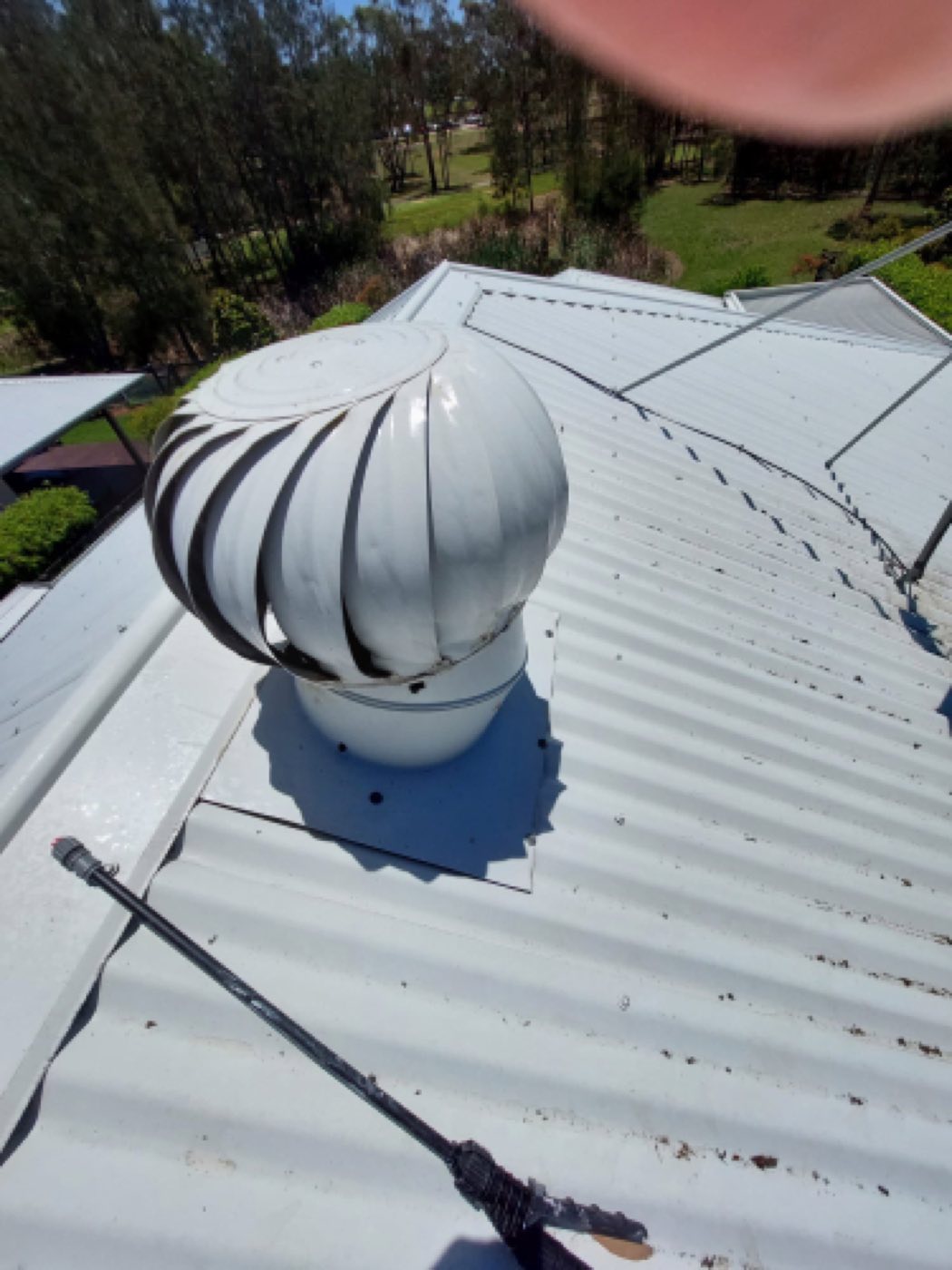
Almost every expensive roof job I quote started as something trivial that nobody was up there to see. A single lifted screw, one cracked pointing joint, a whirlybird seal perishing in the sun. Left alone for two years, each of those becomes a wet ceiling.
Our maintenance visit is a full condition check with a written report: fixings, flashings, capping, valleys, penetrations, gutters and downpipes. You get photos and a clear priority list — fix now, watch this, no action needed. Nothing gets done without your say-so.
Why it matters
Maintenance is the difference between a $300 visit and a $9,000 ceiling repair. It also builds a documented history of your roof, which matters at sale time and matters even more when you need to make an insurance claim after a storm.
Included in the job
- Complete condition report with photos of everything I find
- Roof screws and fixings checked and re-tensioned where required
- Ridge capping, pointing and bedding inspected for cracking
- Flashings, penetrations, whirlybirds and skylight seals checked
- Gutters, valleys and downpipes cleared and flow-tested
- Clear priority list — urgent, monitor, or no action — with honest costings
Storm damage, broken tiles, failed pointing, rusted valleys, lifted sheets. Fixed properly, the first time.
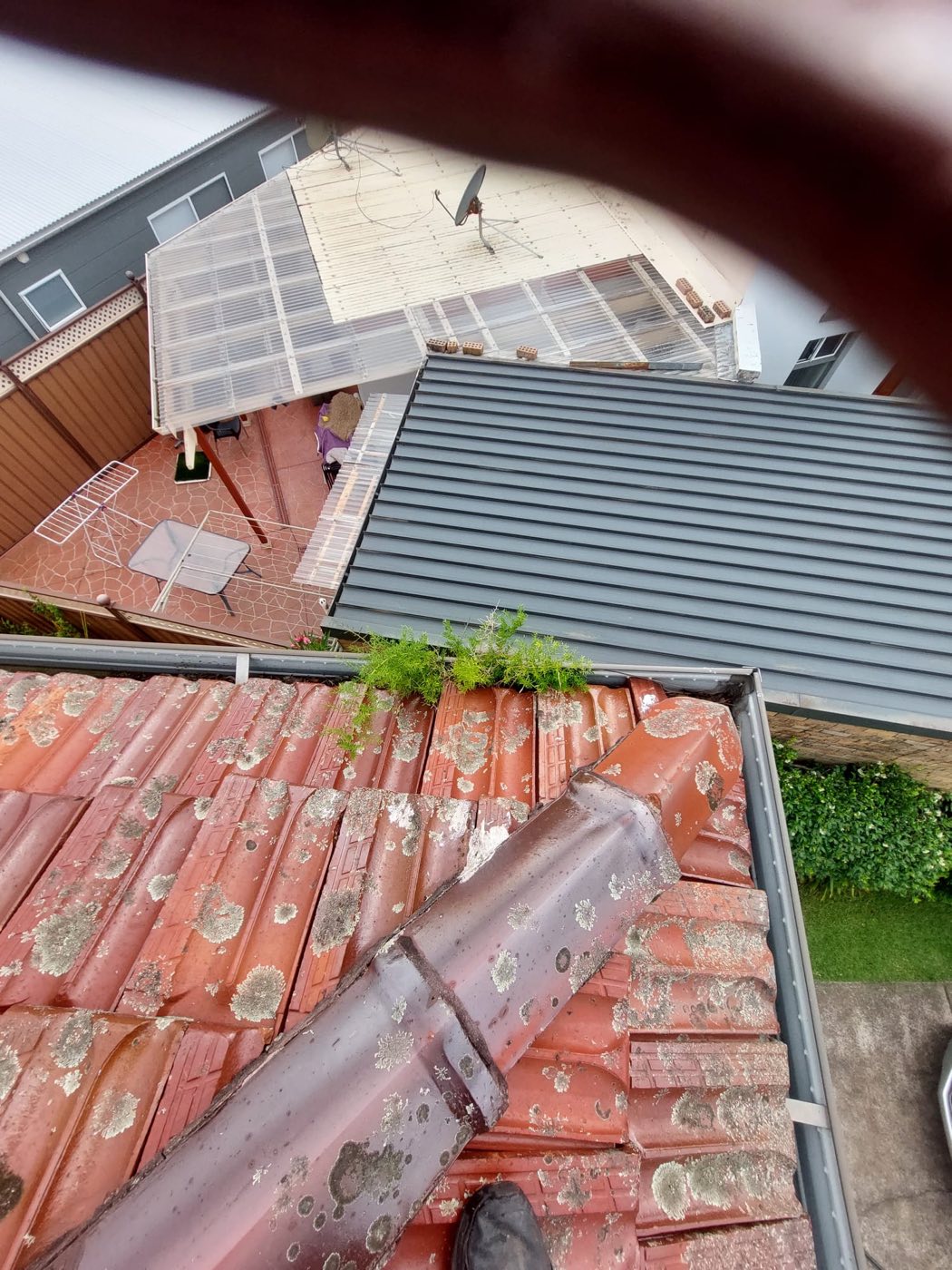
Most repair calls in the Hunter come after a summer southerly — hail through tiles, a lifted sheet, capping shifted along the ridge. I can usually make a roof safe and watertight quickly, then come back and do the permanent repair once the weather clears.
I do the repair the way it should have been built. Tiles replaced from matched stock rather than a mismatched colour thrown in. Screws driven into the crown of the sheet with fresh washers, not into the pan where they will leak. Flashings folded and lapped correctly instead of buried in sealant and hoped for.
Why it matters
A repair done properly ends the problem. A repair done with sealant lasts one season and then costs you the repair again plus whatever got wet in the meantime. I would rather do it once and not hear from you until it is time for a maintenance visit.
Included in the job
- Emergency make-safe and temporary weatherproofing after storms
- Cracked, slipped and hail-damaged tiles replaced with matched stock
- Ridge and hip capping re-bedded and re-pointed
- Rusted valley irons, flashings and gutters replaced
- Lifted or loose Colorbond sheets refixed with new fasteners and washers
- Photo documentation and written scope suited to an insurance claim
Restore or replace?
The honest test
Nobody should be selling you a $30,000 re-roof over the phone. Here’s roughly how I decide, and I'll walk you through it on your roof with photos.
Restoration is usually right when…
- The tiles or sheets themselves are structurally sound
- Damage is concentrated in pointing, bedding and capping
- Fewer than roughly one in twenty tiles are cracked or slipped
- Battens and roof timbers are dry and solid
- The roof has never been restored before, or not in twenty years
Replacement is usually right when…
- Sheeting is rusted through, or tile failure is widespread
- Battens or structural timbers are rotted or sagging
- There is no sarking and the ceiling space keeps getting wet
- The roof has already been restored and is failing again
- Repair costs are creeping toward half of a replacement
Whichever way it lands, you get it in writing with photos — and you’re free to take that quote to someone else. We’d rather lose a job than talk you into the wrong one.
Storm damage
Hit by a southerly?
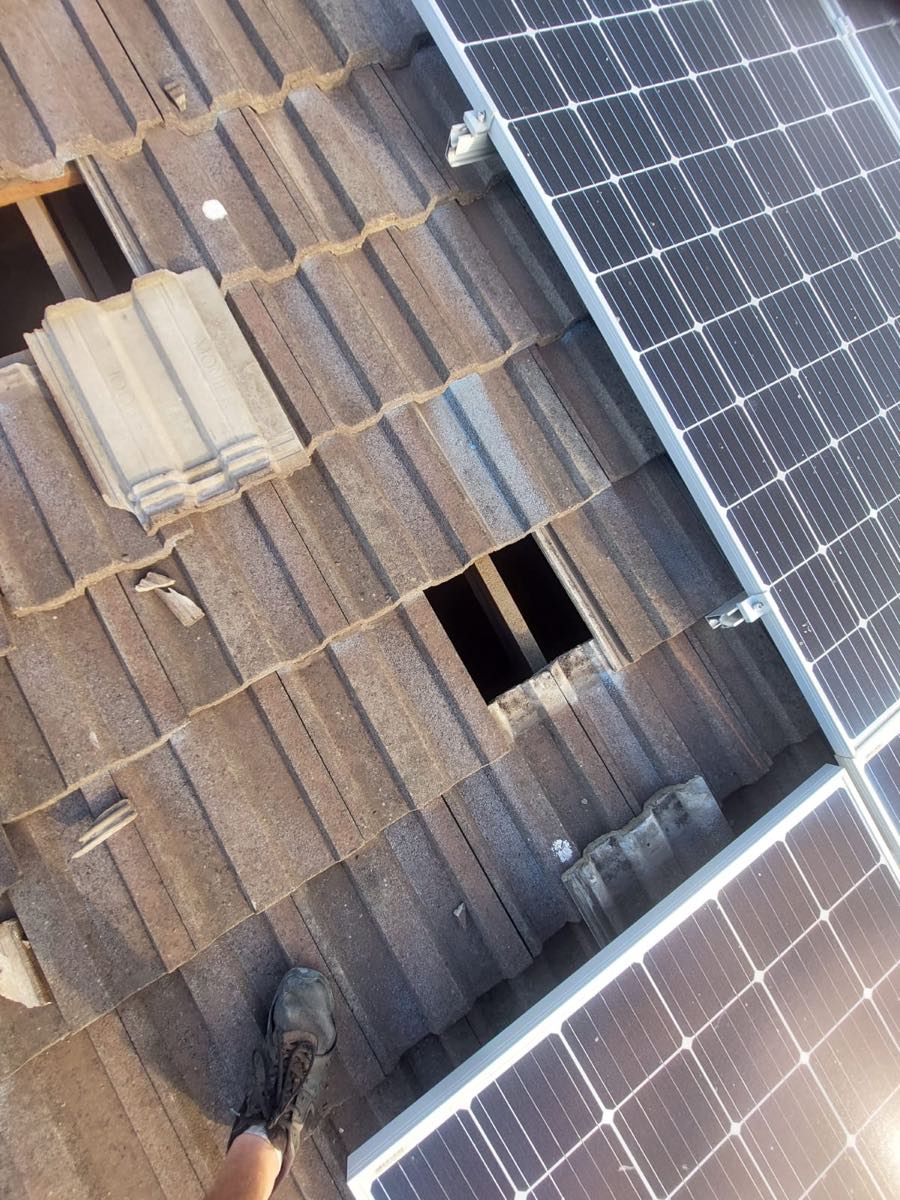
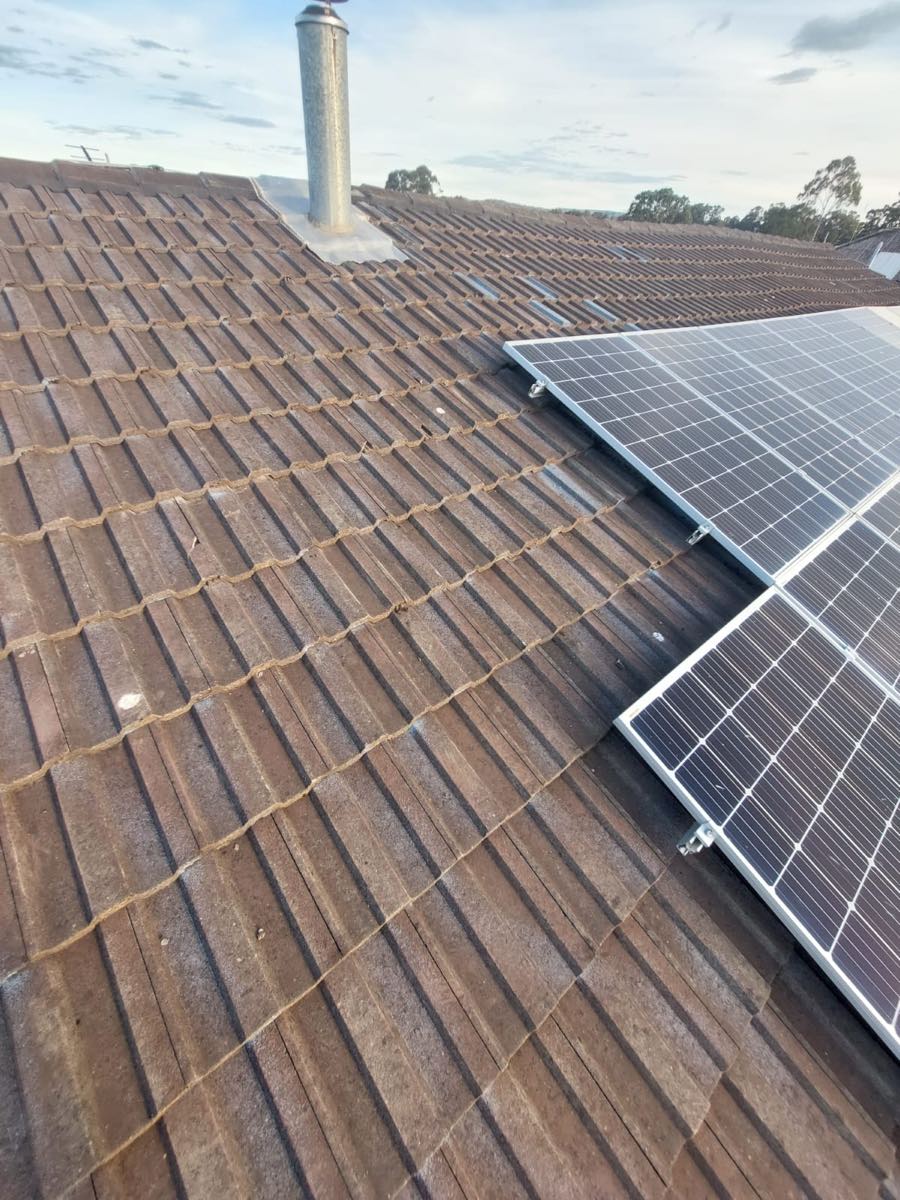
Call us. I'll make the roof safe and watertight first, document everything with photos and a written scope for your insurer, then book the permanent repair once the weather has passed.
If your ceiling is actively leaking, get buckets under it, turn the power off to that part of the house, and ring me — don’t go into the roof space yourself while it’s wet.
Free Quote
Get a real opinion on your roof.
Free inspection, photos from up top, and a written quote you can compare. No obligation and no pressure — if it can wait another two years, I'll say so.